When a 2020 RAM 2500 with a 6.7L Cummins turbo diesel came in for a routine engine knock, it looked like a standard warranty claim. However, an independent inspection revealed a massive cover-up hiding a $30,000 catastrophic engine failure.
The Mechanical Evidence
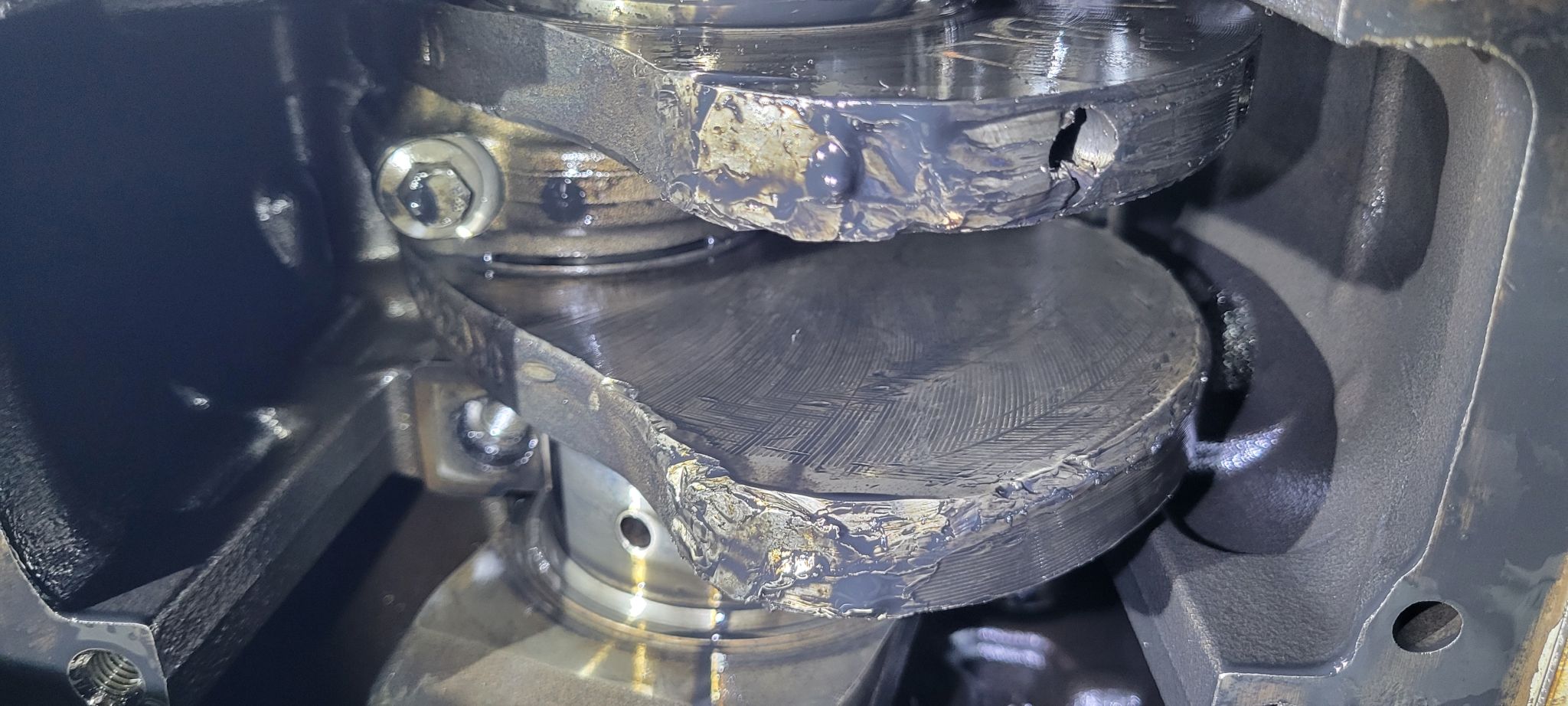
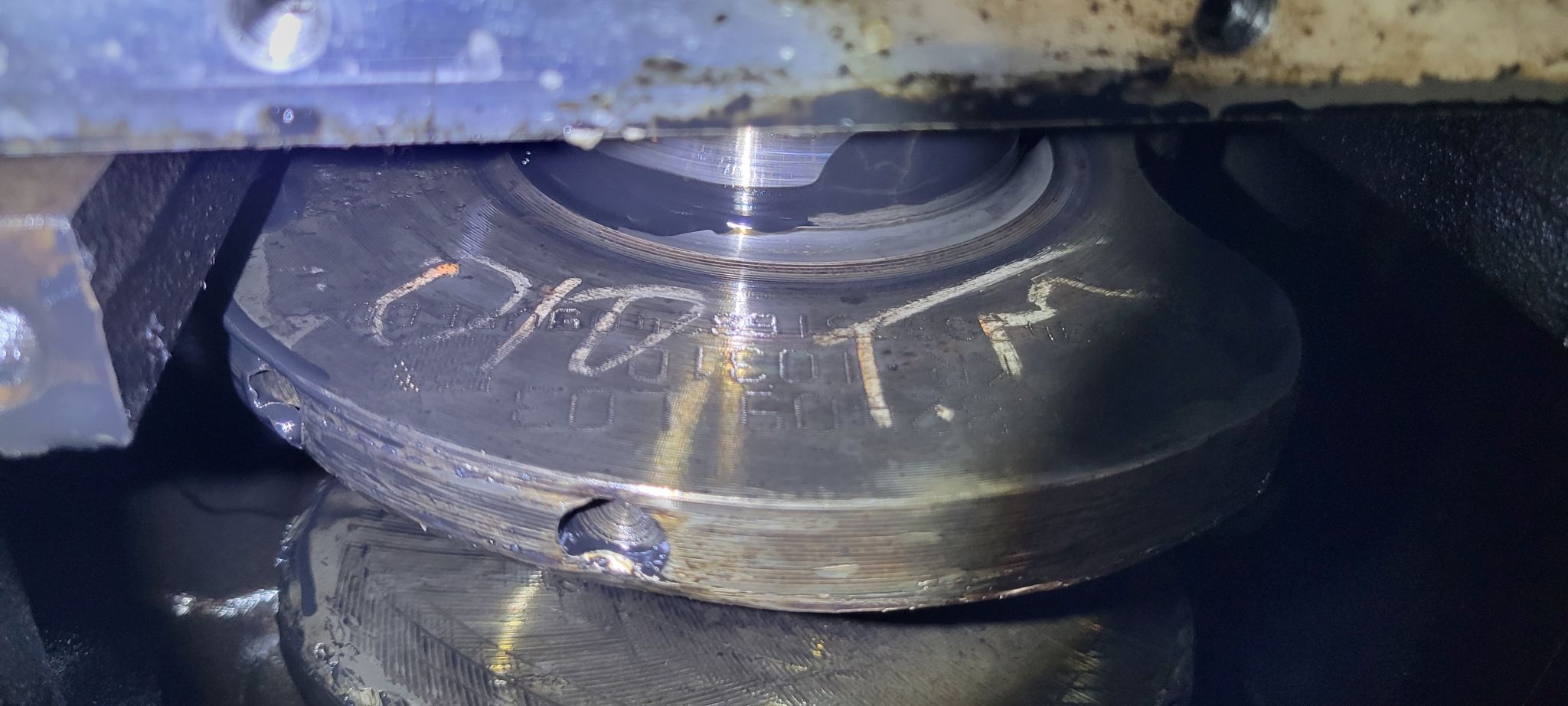
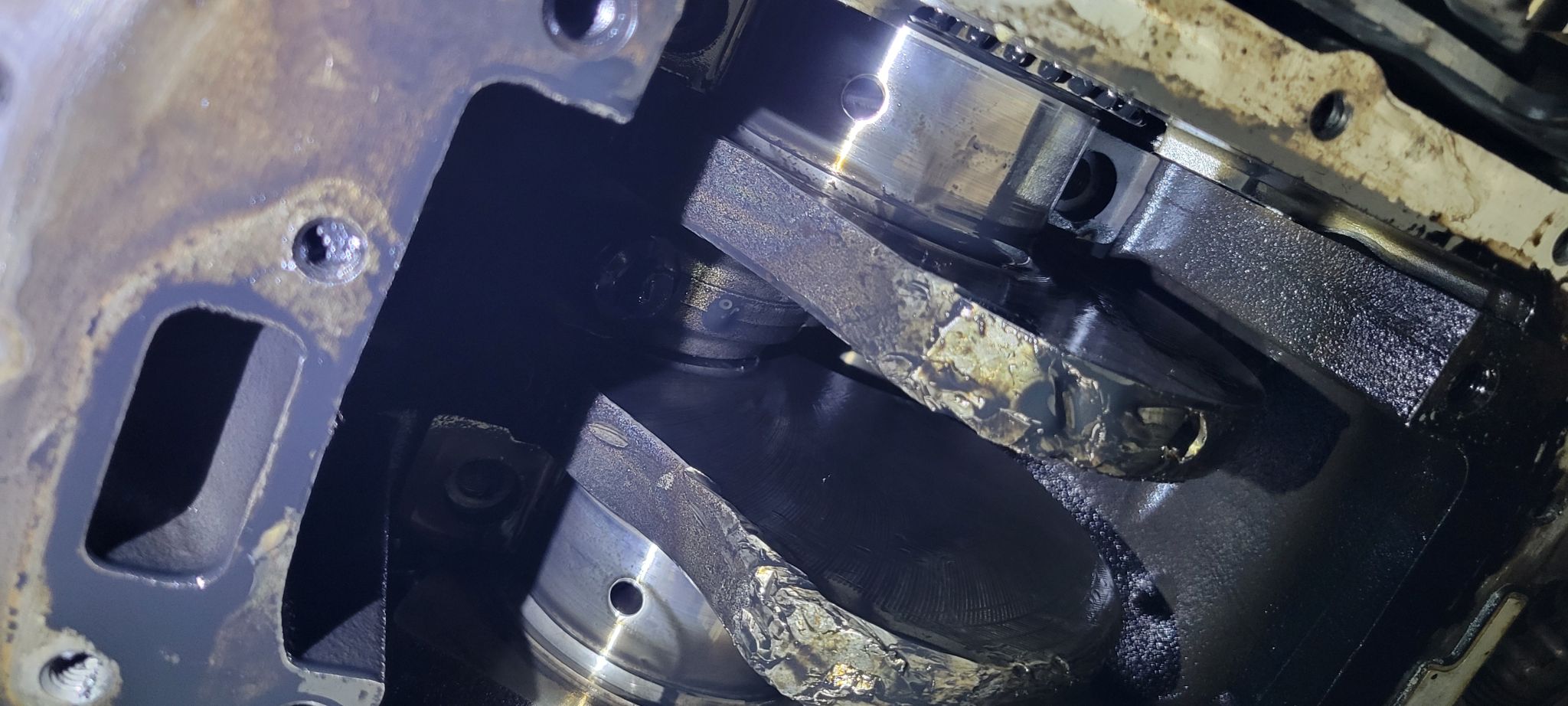
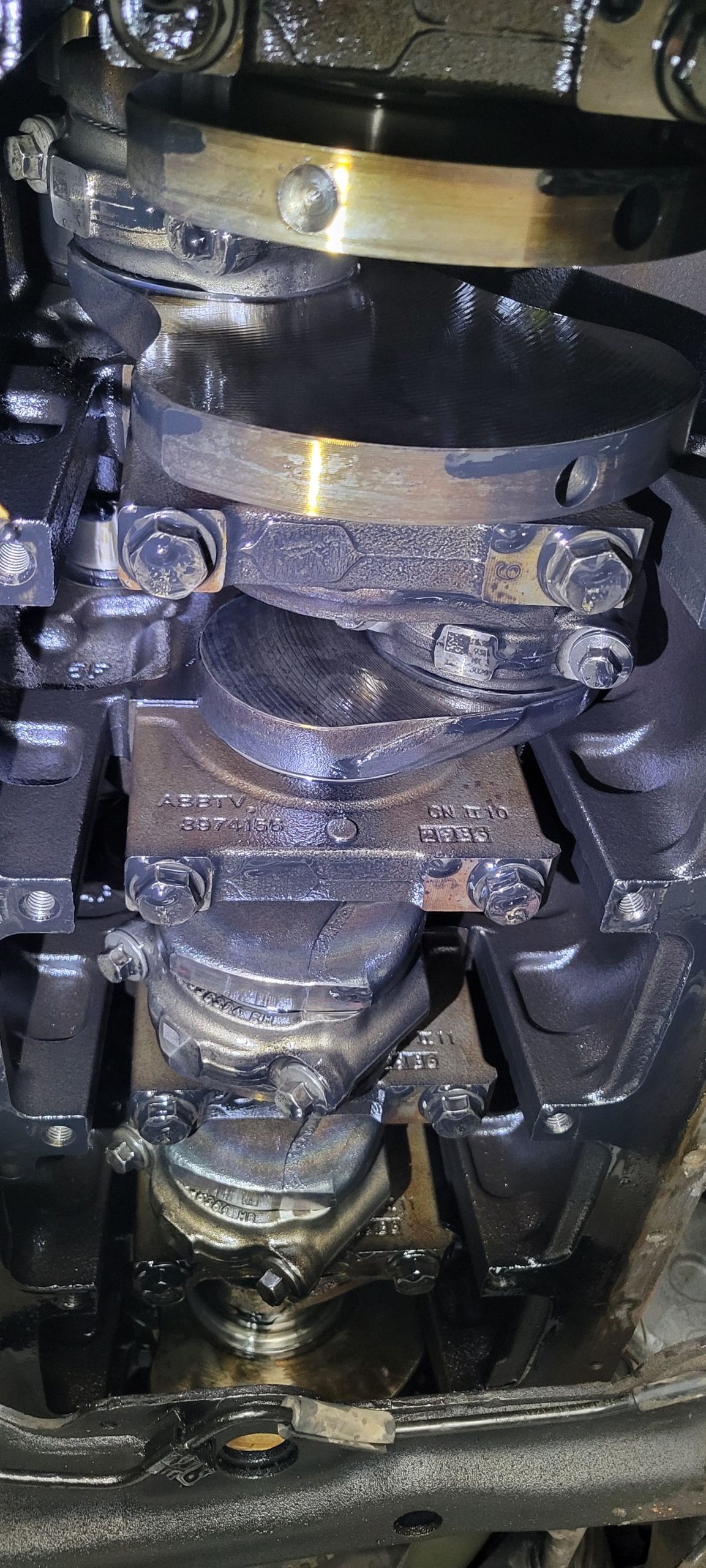
A teardown of Cylinder #1 quickly showed that this was no factory defect. The damage pointed to a previous severe failure that someone tried to hide:
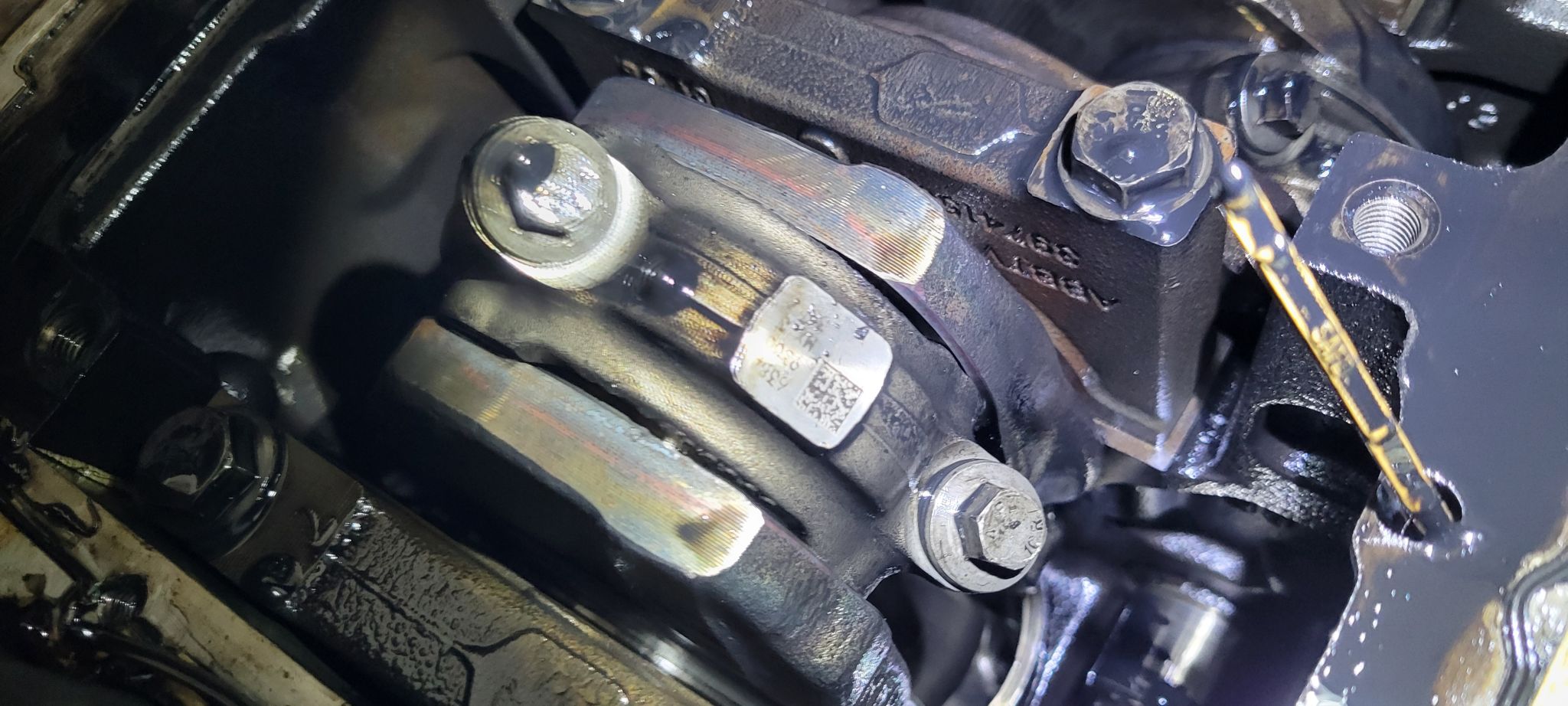
- Non-OEM Components: The Cylinder #1 connecting rod and piston were cheap aftermarket replacements rather than factory Cummins parts.
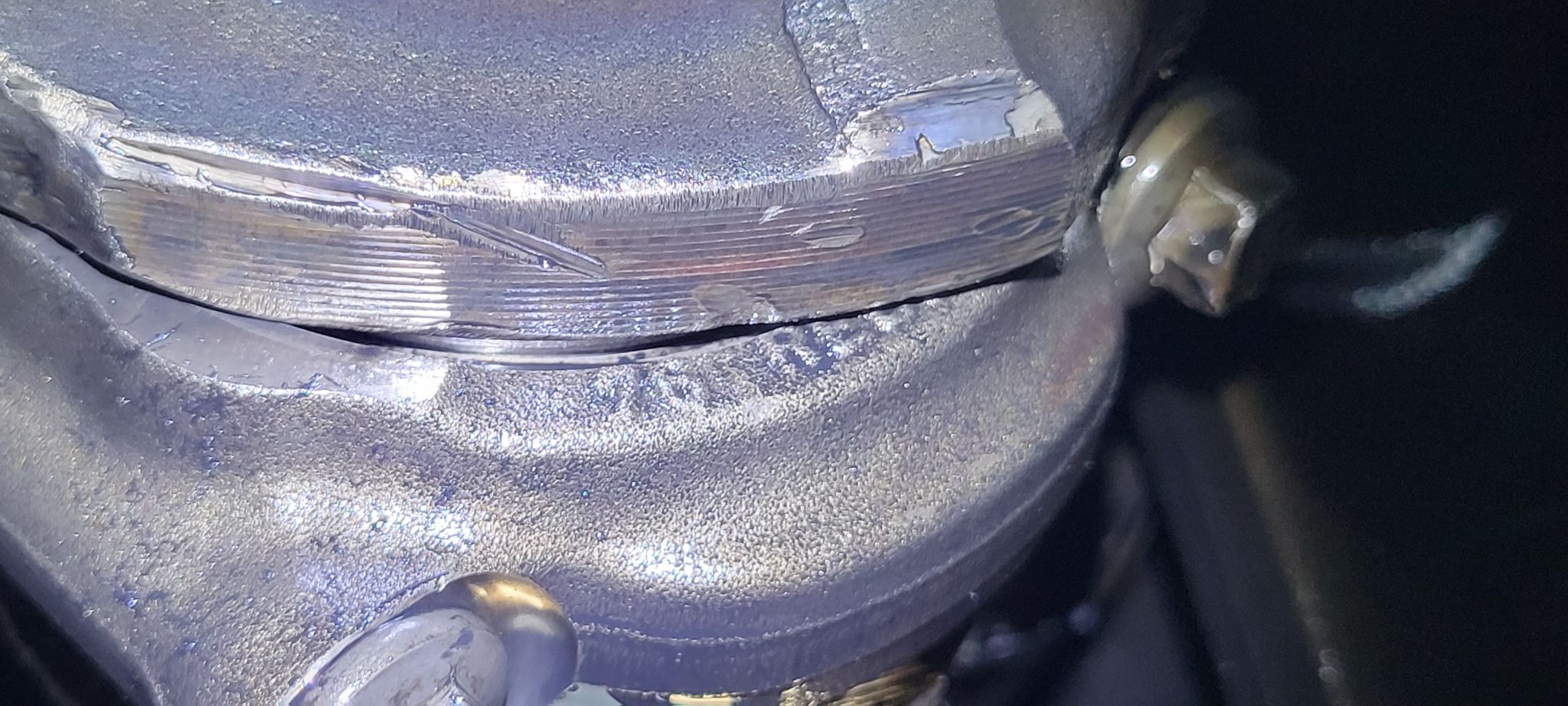
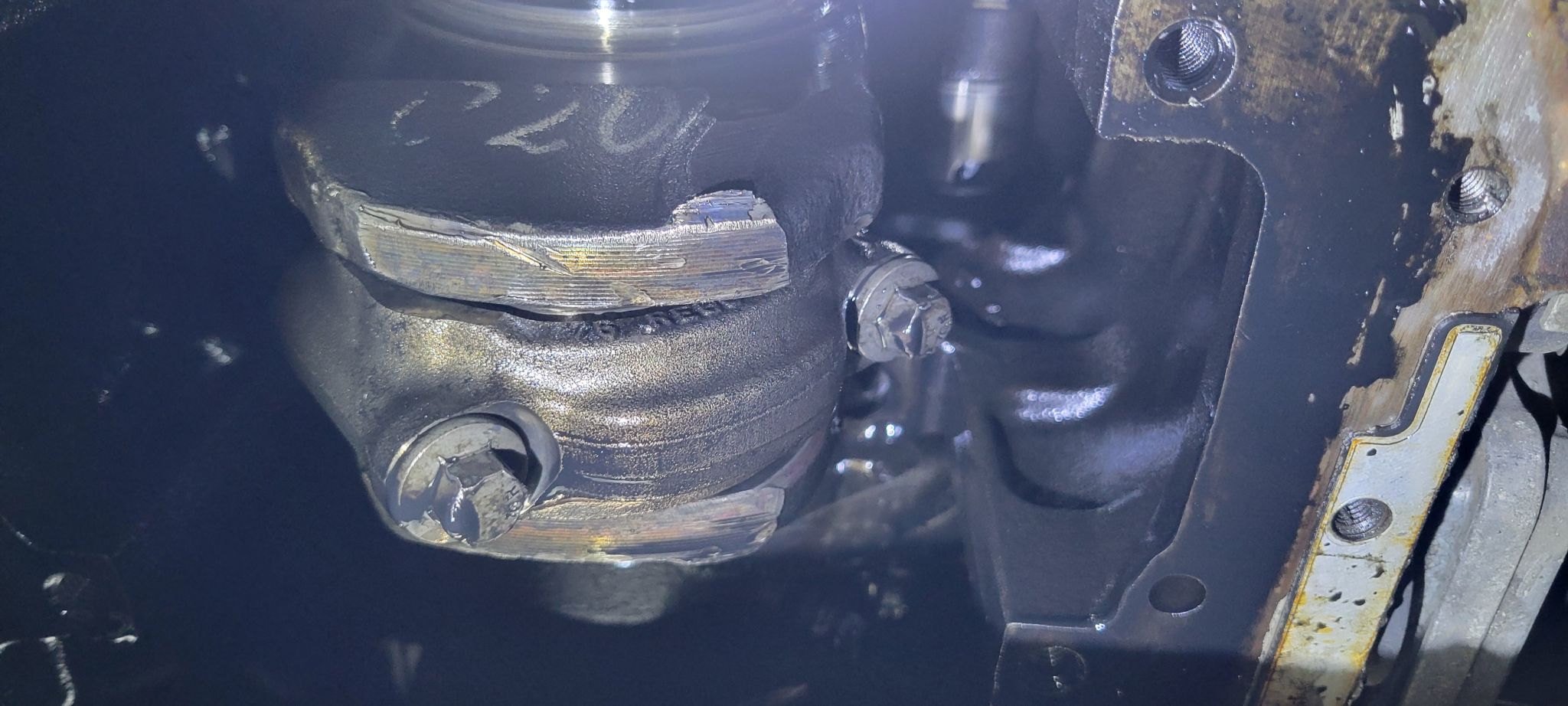
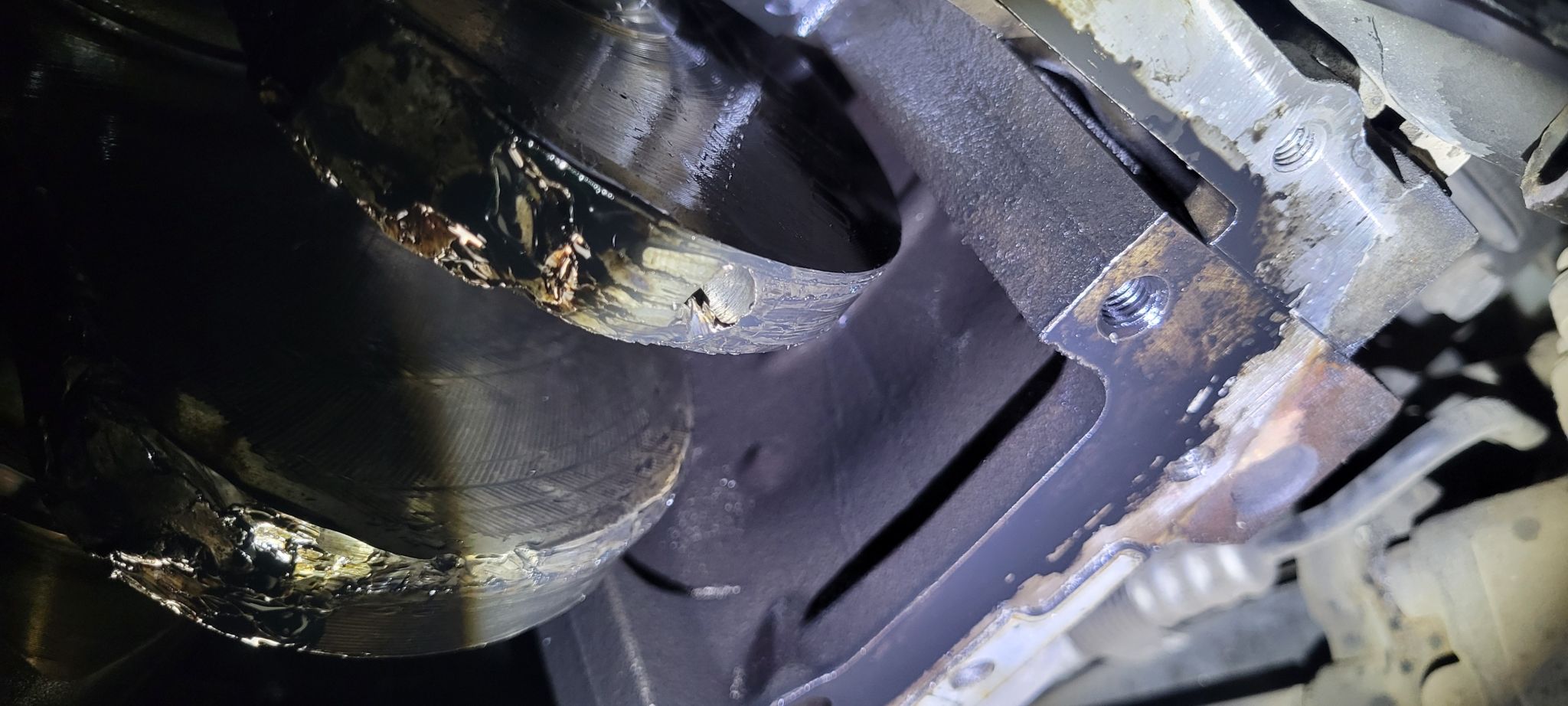
- Crankshaft Damage: The crankshaft counterweights showed deep gouges and scars from a previously thrown rod hitting the block at high RPM.
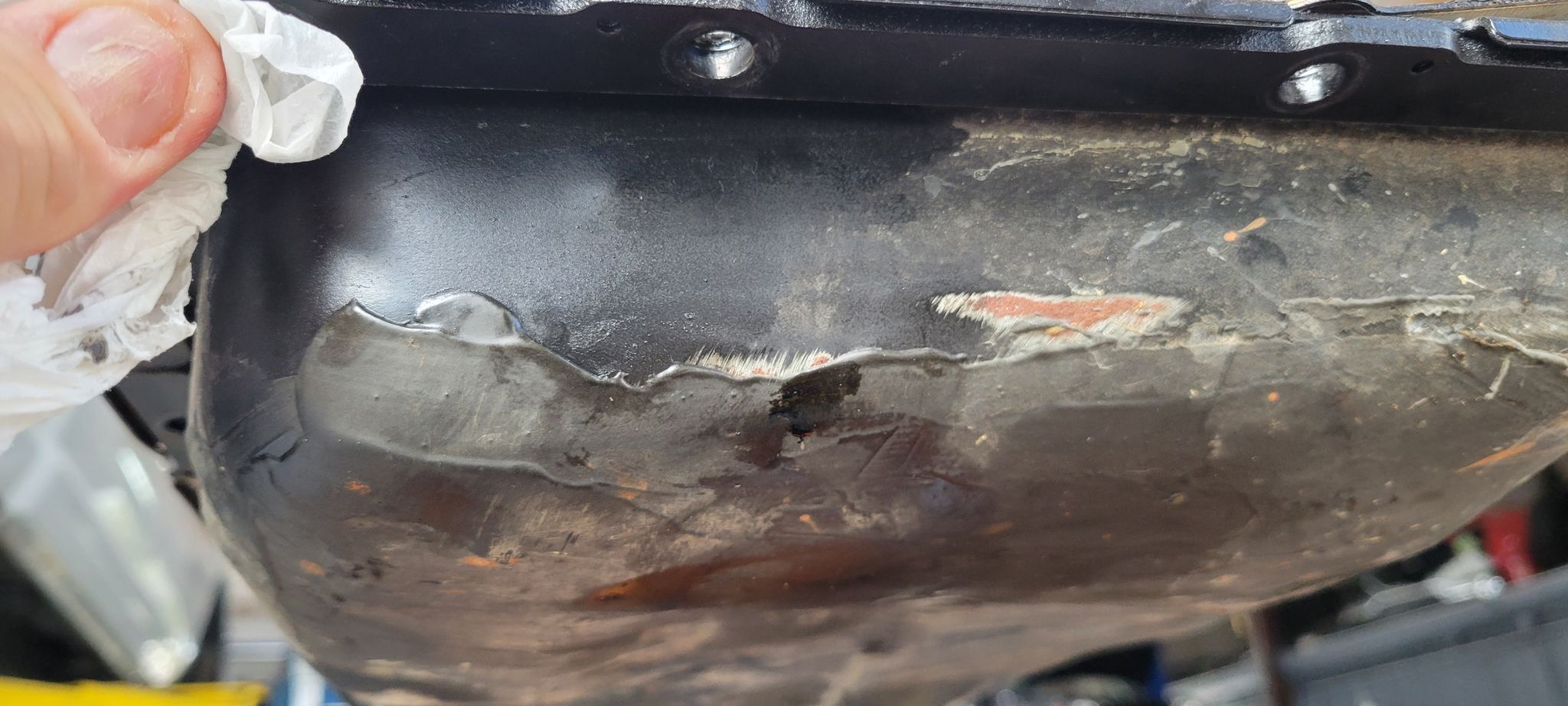
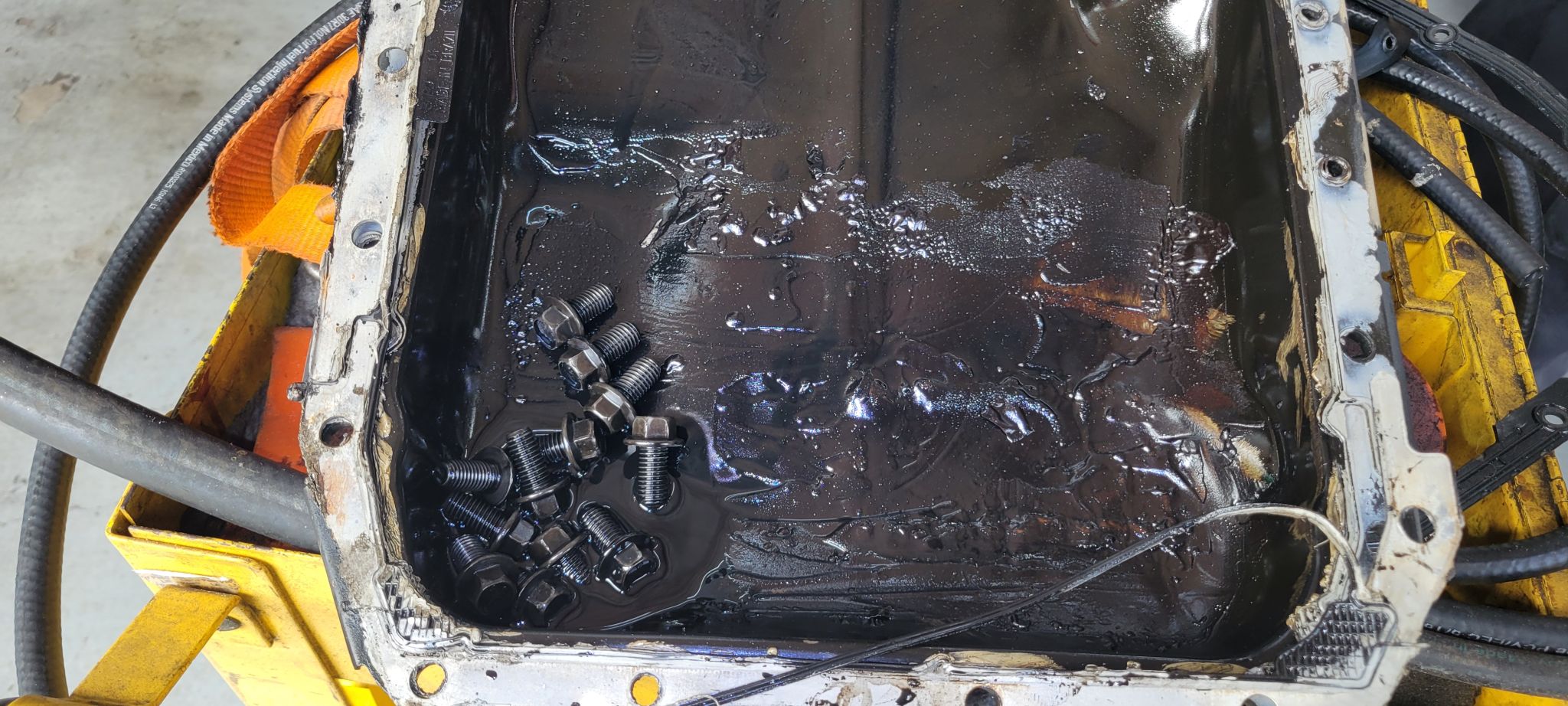
- Patched Oil Pan: The oil pan had an epoxy JB-Weld patch directly under Cylinder #1, covering a clear puncture hole from the earlier explosion.
Someone suffered a catastrophic rod failure, slapped budget parts inside a damaged block, patched the oil pan, and passed the truck along.
Who Is Responsible for Engine Warranty Fraud?
Facts justify a claim denial, but a repair this deceptive usually stems from one of two scenarios:
- The Dealership Trade-In Scam: A prior owner suffered an engine failure, applied a temporary patch to clear error codes, and traded the truck in. The dealership—and the next buyer—were left holding a ticking time bomb.
- The Warranty Claim Scam: The current owner attempted a low-cost DIY fix on a blown engine and tried to trick the warranty company into paying for a full OEM replacement.
Why Independent Auto Inspections Matter
Paperwork alone rarely tells the full story of vehicle damage. Physical, third-party field inspections protect buyers, dealerships, and claim adjusters from paying tens of thousands for hidden, pre-existing mechanical failures.